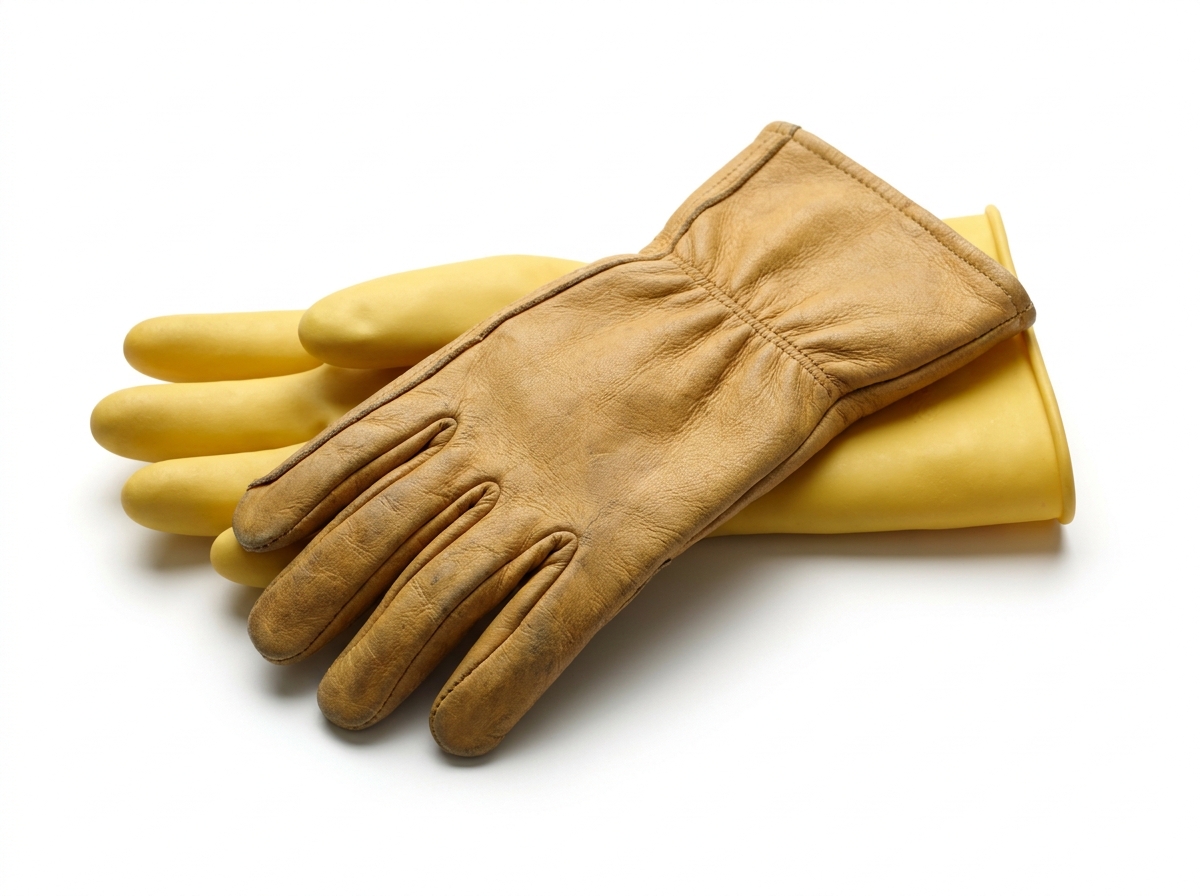
Overview
Chemical-resistant gloves are tested against specific chemicals to verify they provide adequate barrier protection over time. The right glove depends on the chemicals you handle — there is no universal chemical glove.
Materials
- ✓Butyl rubber
- ✓Nitrile (high thickness)
- ✓Neoprene
- ✓Viton (fluoroelastomer)
- ✓PVC
- ✓Laminate films (Silver Shield, Barrier)
Key Features
- ✓EN 374 Type A (6 chemicals), B (3 chemicals), C (1 chemical)
- ✓Permeation breakthrough time tested
- ✓Various lengths (12"–24") for forearm protection
✓ Pros
- +Tested protection against specific chemicals
- +Wide material options for different chemicals
- +Available in long-cuff versions for arm protection
✗ Cons
- −Must match glove material to chemical — no universal option
- −Often bulky and reduce dexterity
- −Some chemicals degrade even "chemical-resistant" gloves
Who Uses Chemical?
Chemical plant workersLab techniciansAgricultural workersIndustrial cleaners