Everything you ever wanted to know
about gloves
An independent encyclopedia covering every kind of glove you can wear — from disposable nitrile exam gloves to cut-resistant industrial gauntlets. No products sold. No sponsored reviews. Just honest information.
Browse by Category
Each category includes multiple glove types, materials, and buying considerations.
Most-Searched Glove Types
Start with the most common questions people ask about gloves.

Nitrile Gloves
The most popular disposable glove. Latex-free, puncture-resistant, and versatile for medical, food, industrial, and household use.
Read more →
Latex Gloves (Natural Rubber)
Natural rubber gloves with the best fit and tactile sensitivity, but carry latex allergy risk.
Read more →
Vinyl Gloves (PVC)
Cheap, latex-free disposable gloves for low-risk tasks. Not approved for medical use in most markets.
Read more →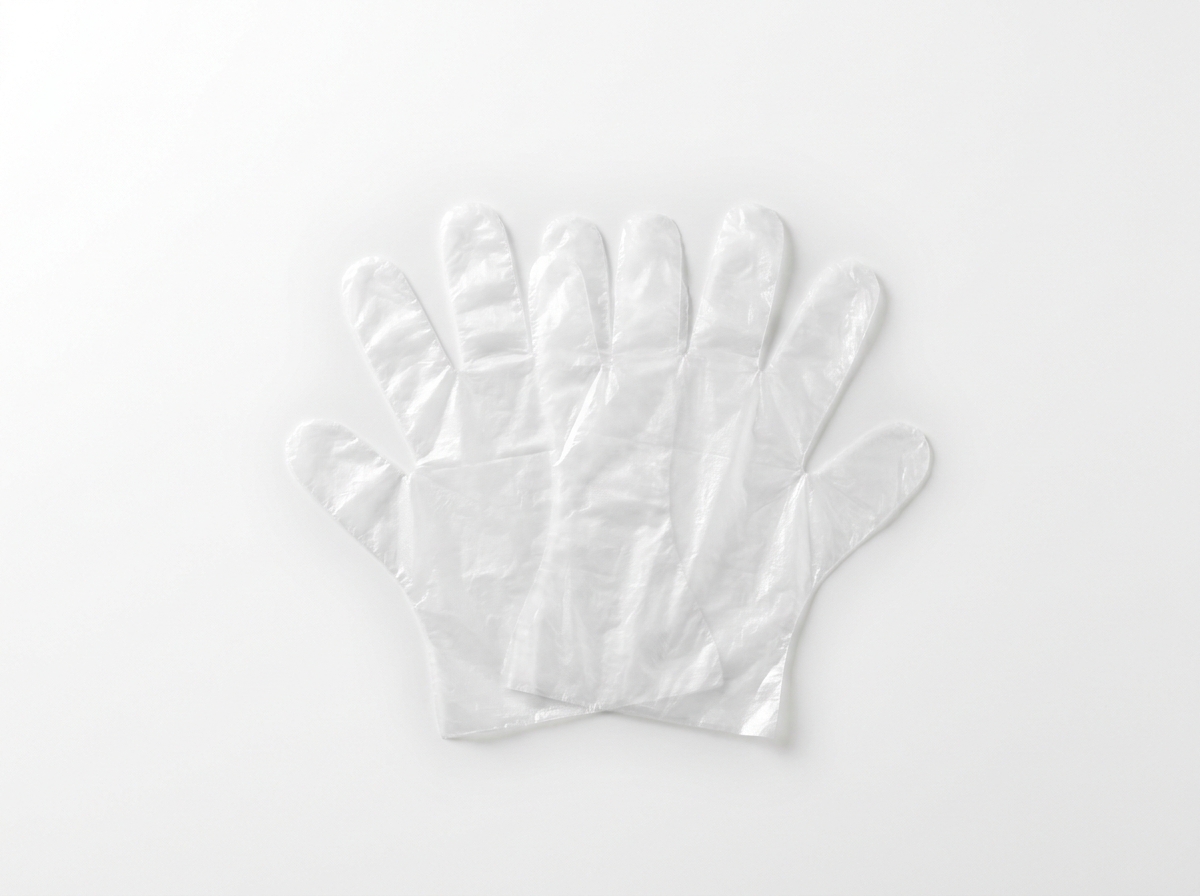
Polyethylene (PE) Gloves
Cheap, loose-fitting gloves for food handling. The "deli glove".
Read more → Latex Examination Gloves
Powdered or powder-free latex gloves for medical examinations.
Read more →
Latex Surgical Gloves
Sterile, anatomically-shaped gloves designed for surgical procedures.
Read more → Nitrile Surgical Gloves
Latex-free sterile surgical gloves for latex-allergic surgeons and patients.
Read more → Chemotherapy Gloves
Tested for use with hazardous chemotherapy drugs and other cytotoxic materials.
Read more →
Cut-Resistant Gloves
HPPE, steel fiber, or Kevlar gloves rated ANSI A1–A9 / EN 388 A–F for protection from sharp objects.
Read more →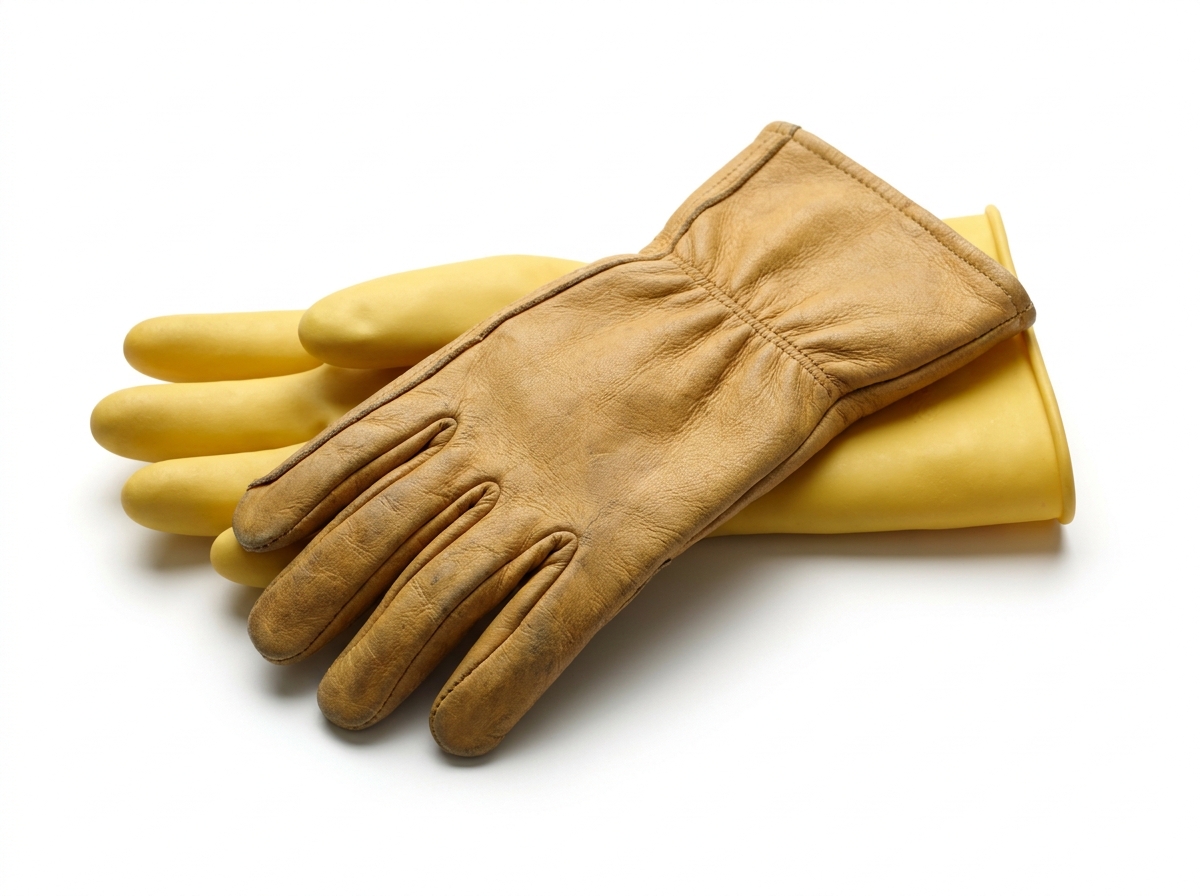
Chemical-Resistant Gloves
Butyl, nitrile, neoprene, or Viton gloves tested for permeation by specific chemicals.
Read more →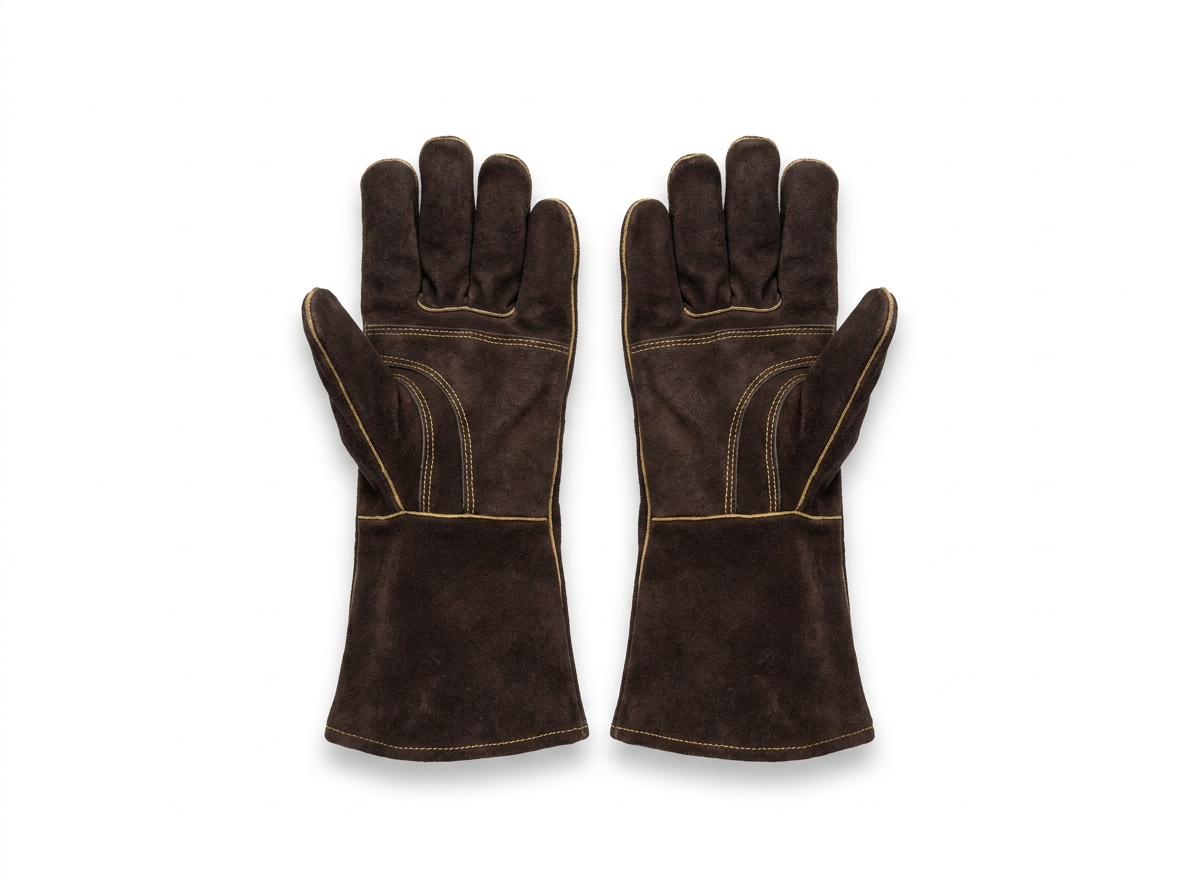
Heat-Resistant Gloves
Gloves rated for contact heat, convective heat, and sometimes flame. EN 407 tested.
Read more → Electrical Insulating Gloves (Class 00–4)
Dielectric rubber gloves for electrical work. Class 00 (500V) to Class 4 (36kV).
Read more →Understand How Gloves Work
Three foundational guides every glove wearer should know.
Materials Guide
What's the difference between nitrile, latex, vinyl, and polyurethane? Which is best for your application?
Compare materials →Standards & Ratings
EN 388, EN 374, EN 511, ANSI/ISEA 105, ASTM — what the codes actually mean and how to read them.
Decode ratings →Buying Guides
What gloves do you need for plumbing, tattooing, food prep, gardening, or winter cycling?
View guides →Have a question we haven't answered?
We're always adding new types and guides. Drop us a note and we'll consider it for the next update.